News
Thinking about things and talking to people
It feels like a long time since I managed to squeeze in some time to write up a news post amongst all the other wild and wonderful REACT shaped events and schemes currently on the boil; You can certainly feel the vibrations from the corner of the REACT camp at the Pervasive Media Studio right now.
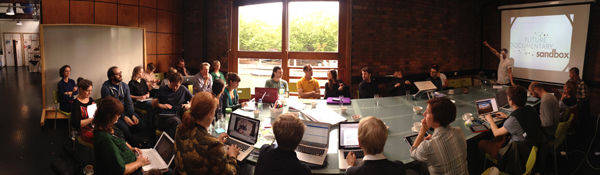
Just under two weeks back we held our second community workshop, bringing together all six projects to focus on the people who will follow the documentary stories or the people formerly known as the audience. We invited back Kim Plowright, freelance product and project manager and all round platform-y gam-y online-y genius. Kim came armed with an insightful talk to help shape the projects ideas around managing their audiences throughout their experiences.
The main points to remember were:
It’s easy to forget beginnings and ends of things when you’re face down in the middle of making them.
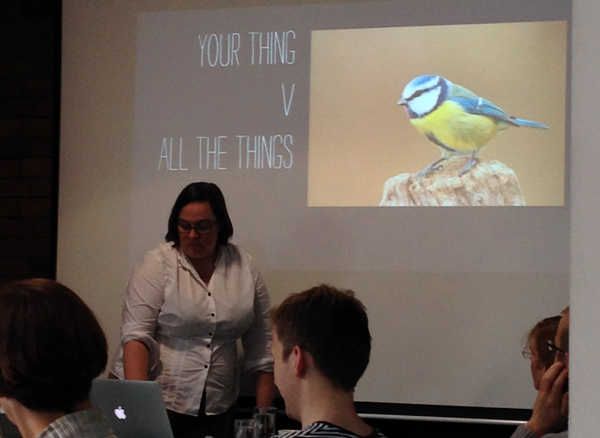
It’s easy to build things as if you were the audience for them, and that tends to bake in assumptions. Most people don’t care about your thing.
Your thing is competing with everything else in the world for time and attention from your audience: help them find the time and space for what you’re giving them.
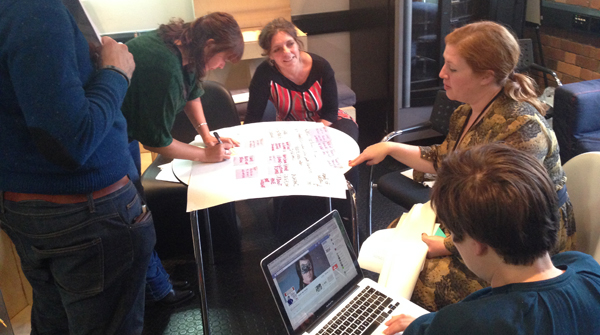
With these gems in mind, the project teams were tasked with creating a user journey, a timeline of their project, where are the peaks of activity or interactivity throughout the experience? How do the interactants enter the experience and then exit?
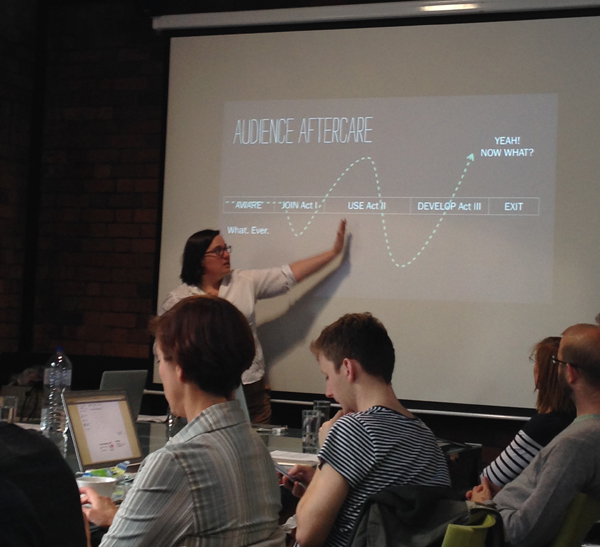
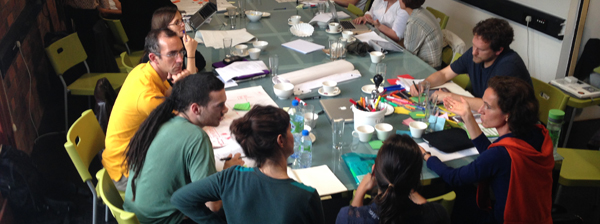
Before building this timeline, each team was asked to consider their secondary audiences, who are the people that don’t follow all the blogs, the friends of friends of enthusiasts and the people who are interested in the subject matter but don’t know about this crazy world of future docs. This audience is potentially much bigger and it makes sense to furnish as much if not even more effort on reaching these people too. They were asked to build up personas of these secondary audiences for another team’s project which threw up some pretty surprising results.
They then had to plot their persona user journeys across their timelines and what they are needing, wanting, thinking or feeling at each stage. Thinking the whole experience through from the point of view of an interactant/ audience member helped to uncover some of the assumptions, which lay bare the potential gaps in their projects…What has been forgotten? What should they be planning for? Thinking about an emotional journey from the perspective of a potential punter helped refine thinking about the overall structure of their experiences and focussed on building in for the unexpected. This is when my favourite Kim Plowrightism came out in discussion ‘Time to Penis,’ which refers to the amount of wriggle room you leave in your project before they start to mess around and subvert the system and how long it takes.
There certainly wasn’t any 'time to penis' (a term used to describe the amount of time it takes for something crude to appear on a new piece of tech, software, installation, on a message board etc) in and around the workshop tasks as I built some time into the day for reflection and discussion, looking at some of the common concerns between projects.
A strong common thread was the role of Ambassadors for each project in the communities that are involved in the subject matter that they’re dealing with. Each team had a different terminology, but they appeared to play a similar role, holding ownership and agency in the essence of the project, whether the story hunters for Quipu, the Orion fans sharing their tributes or the risky Red Bull wing suit fliers. Matt Golding at Team Rubber joked about sourcing their contributors based upon their twitter following, but there is something to be said for social capital and the impact it can have when sharing stories about people, they are targeting key figures that bring colliding viewpoints to their debate about risk.
Our advisors also chipped in with some observations and comments as the projects develop. Mandy Rose pointed out that the commonalities in conversation were all actually documentary concerns; Access to people and involving your audiences have always been central. Mandy spoke about the ethics of balancing the two motivations between the people who are the subject matter and your concerns. Within Quipu for example the motivation for the women to tll their stories as a way of practicing for legal purposes for later on and the tribute for the Orion fans, entrusting Jeanie to hand over their tribute piece to camera.
Jon Dovey spoke of the new design challenge faced for documentary makers, how do you incorporate database and timelines into your films? How do you take people on a journey where they can check in an out of video and database experiences fluidly?
Sandra Gaudenzi introduced the idea of placing yourself as the viewer into the database and immersing yourself into the material itself. She spoke about designing the interface to fit the purpose and intent in the experience. Her example was how in Bear 71 the interface provides you with a exploratory sense of roaming and freedom but then you appear inside the interface itself, trapped and it works perfectly with the content and purpose it is trying to communicate. Sandra is interested in what is the metaphor for each of these Future Doc projects, how do they position the user and how is this fitting for the whole story and intent?
A really intensive and productive day all in all and I’m really looking forward to the next workshop session honing in on design and interface.
Posted by Matt Davenport