Projects 2013 > Quipu: Living Documentary > Journal
Our first React Future Documentary Sandbox in Bristol took place almost two weeks ago. It was a great session where we discussed interesting projects that are pushing the boundaries of what a documentary may be in the future, how audience’s behaviours are changing and how we are going to create an engaging story that will captivate our audiences.
Since then the Quipu Team has been working hard both with our crew in London/Bristol, and in Peru. What it is most exciting about Quipu- Project (and at the same time incredibly difficult) is how we are dealing with two completely different worlds: the React community thinking about the Future of Documentary and analysing how to engage an international audience supposedly avid for innovative projects and new ways of experiencing stories, and our most important audience and contributors of the story: the indigenous communities that were affected by Peru’s sterilisation policy in the late 1990s. The gravity of this subject, which changed the lives of these communities forever, is impossible to ignore and keeps our feet on the ground as we head into this whirlwind process.
At the head of our very small field team in Peru was one of the Co directors of Quipu-Project, Ros and one of the academics, Matthew. While Matthew was meeting some people involved in this issue in Lima, Ros was getting everything ready for the first trip to Huancabamba, an extremely vulnerable region in the north Andean Peru, where we decided to make the first pilot version of the project- an interactive phone line that people affected by this policy could use to tell their stories and listen to others.
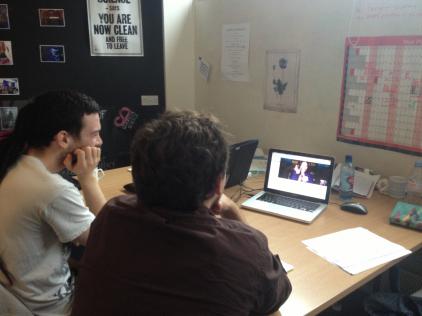
Meanwhile, our team in London/Bristol were working in all the final details of the phone line, in terms of content and technology development, so the community would be able to test it on the best possible quality.
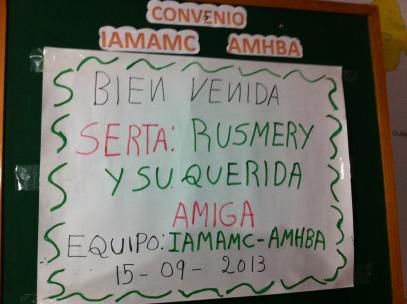
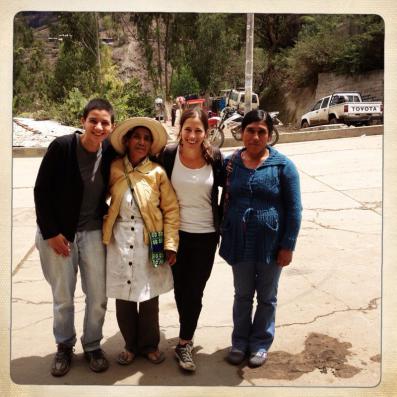
The reception of the women’s organization in Huancabamba, was incredible. Esperanza, one of its leaders, began promoting the interactive workshop that they were organizing in collaboration with Quipu Team, days before the crew arrived. She sent a message through the local radio, calling name by name to each woman that was invited to come. Without her help and enthusiasm we would never have been able to achieve a successful test of a technology so alien to most of our participants.
It is incredible to confirm how we are going to learn more than we've imagined about real collaboration by working with these communities, and how they will teach us some good lessons about it- how to work in community, how you communicate between each other, and how everybody collaborates together for a common goal. At the same time we hope we will be able to help them to tell their stories to the rest of the world and provide them with a proper tool to make it happen.
The result of the first workshop with the women from Huancabamba was excellent: 30 women participating, 12 audios stories shared through the phone, 17 audio questionnaire answers, 3 comments. While the women were testing the system thousands of miles away, the Quipu team was moderating the posts – mostly dealing with technical problems - to then publish their stories on the phone line again, so they were able to listen to their contributions.
The first stage of Quipu - Project is almost done. Now we need to analyse in depth the stories shared by the women on the phone line and wait until Ros and Matthew come back to discuss her experiences there, how fluently (or not) the women interact with the system and what their impressions were, to decide how we are going to continue working on the second phase.
We are very happy to confirm that the Quipu Team has grown and it is getting more diverse and interesting as the time passes. This is just the beginning of our journey with the women from Huancabamba :)
** more on the work field experience and technical development soon
Posted by Maria Court










Comments
This is brilliant progress. Very proud that REACT is supporting this work.
Posted by Jon D (not verified) | 30 Sep 2013 at 22.31